

TLDR
- Built-ins maximize every inch: Custom cabinetry uses wall-to-wall precision design to eliminate wasted space and clutter
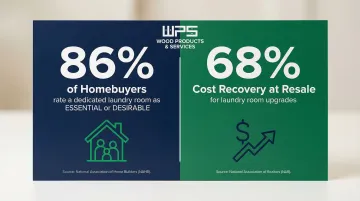
- Top buyer priority: 86% of homebuyers rate a dedicated laundry room as essential or desirable, with upgrades recovering 68% of costs at resale
- Moisture resistance is critical: Use plywood boxes, moisture-resistant finishes, and soft-close hardware for lasting durability
- Best layouts combine base cabinets, floor-to-ceiling uppers, folding countertops, and pull-out hampers
- Layout type matters: Measure utilities first, then choose single-wall, L-shape, or U-shape to fit your space
Why Built-Ins Are a Game-Changer for Laundry Rooms
Why Built-Ins Transform How Your Laundry Room Works
Freestanding shelving and bare walls create visual chaos and waste precious vertical space in laundry rooms. Wire shelving sags under detergent bottles, plastic bins accumulate dust, and the room stays cluttered no matter how often you tidy it. Built-ins solve this by fitting precisely into every available inch—floor to ceiling, corner to corner—creating a clean, cohesive look that makes the space feel larger and more functional.
Core benefits of custom built-ins include:
- Cabinets designed around your actual items—bulk detergent, sorting bins, cleaning supplies, and hanging space—rather than generic shelving
- Matching doors, hardware, and finishes create a unified look that complements your home's style
- Moisture-resistant materials and quality construction outlast temporary fixes by decades
- Dedicated zones for sorting, folding, hanging, and supply storage reduce wasted motion and frustration
Built-ins also deliver measurable financial returns. According to the National Association of Home Builders, a dedicated laundry room is the #1 most wanted home feature, rated essential or desirable by 86% of homebuyers. The National Association of Realtors reports that laundry room upgrades recover 68% of project costs at resale, making this one of the smartest home improvement investments.
A custom cabinet maker can fit built-ins to non-standard laundry room dimensions that stock units simply can't accommodate, ensuring every inch of wall space works for you rather than against you.
Planning Your Laundry Room Built-Ins: Start Here
Before selecting a single cabinet style, measure your space with precision. Record width, depth, ceiling height, and clearances around doors, windows, and HVAC vents. Even two inches can determine whether a cabinet run fits wall-to-wall or leaves an awkward gap. Note existing utility locations—washer/dryer hookups, water lines, drain stacks, and electrical panels—because these dictate where cabinets can and cannot go.
Next, map out your functional needs:
- Sorting zones: Do you need separate hampers for lights, darks, and delicates, or per-family-member bins?
- Folding space: How much continuous countertop do you need for staging and folding?
- Hanging space: Where will you hang delicates, shirts, or air-dry items?
- Hidden storage: How many cleaning supplies, detergents, and bulk items need concealed storage?
- Multi-use requirements: Does the room double as a mudroom, pet station, or craft area?
Choosing a Layout
Your room's dimensions and door placement determine which layout works best:
Single-wall (galley): Ideal for narrow rooms 5-7 feet wide. Place washer, dryer, and sink along one wall with upper cabinets above. Keeping all plumbing on the same wall minimizes relocation costs.
L-shape: Works well for rooms 8-10 feet wide. Separate the wet zone (sink, washer) from the folding/dryer zone with perpendicular cabinet runs. A continuous countertop connects the two sides and fills corner dead space.
U-shape: Best for rooms 10+ feet wide. Three walls of cabinetry maximize storage and create distinct zones—sorting on one wall, folding in the center, supplies on the third. An island adds extra folding surface and lower cabinet storage in larger spaces.
Whatever layout you choose, existing infrastructure sets hard limits. Circuit breaker panels must remain accessible with at least 30 inches of clearance—you can't fully enclose them. Washer/dryer hookups require 6 inches behind machines for hoses and venting, plus 1 inch on sides for vibration. Front-loading machines need 48 inches of clearance in front to open doors and maneuver baskets.
Setting a Realistic Budget
Laundry room renovation costs vary based on scope and materials. According to 2026 data from Angi, the average laundry room remodel costs $11,000, but projects range from basic refreshes to full custom build-outs.
Cost ranges by project tier:
- Basic refresh: $1,500-$5,000 (paint, minor repairs, stock shelving)
- Mid-range renovation: $6,000-$17,000 (new flooring, semi-custom cabinets, countertops)
- Full custom build-out: $15,000-$30,000+ (layout changes, custom millwork, plumbing relocation)
Cabinet costs by type:
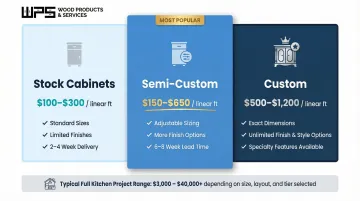
- Stock cabinets: $100-$300 per linear foot
- Semi-custom: $150-$650 per linear foot
- Custom cabinets: $500-$1,200 per linear foot
Cabinet purchase cost is only part of the total project budget. These additional line items routinely add $3,000-$8,000+ beyond cabinetry:
- Flooring and finishing details
- Plumbing labor ($50-$120 per hour); moving hookups adds $200-$800
- New drain lines: $360-$1,840
- Building permits for structural or utility changes: $400-$1,300
Must-Have Built-In Features for Your Dream Laundry Room
Base cabinets and upper wall cabinets form the foundation of laundry room storage. Base cabinets provide concealed storage behind doors and drawers for bulky detergent bottles, cleaning supplies, and seldom-used items. Upper cabinets extending to the ceiling maximize vertical space—in rooms with 8-foot ceilings, this adds 30-40% more storage capacity compared to standard-height cabinets that stop at 7 feet.
A dedicated countertop or folding station transforms functionality. Create a continuous surface by running countertop over the washer and dryer (if front-loading) and extending it along adjacent cabinet runs. This provides 6-8 linear feet of folding and staging space while visually connecting the room's elements.
For material, 1.5-inch thick countertops hold up best: laminate offers budget-friendly performance, while quartz and solid surface options resist stains and moisture more effectively over time.
Built-In Hampers and Pull-Out Storage
Pull-out hamper cabinets eliminate visible laundry clutter and integrate seamlessly into cabinet runs. Popular configurations include:
- Individual bins for each family member (3-4 pull-out compartments)
- Sorting hampers for lights, darks, and delicates
- Single large pull-out for small households
These cabinet-integrated hampers sit behind closed doors, maintaining the room's clean appearance while keeping dirty laundry accessible but out of sight. Place them near the washer for efficient workflow—grab sorted items, transfer directly to machine, done.
Beyond hampers, a few other pull-out formats handle storage that standard cabinets can't:
- Deep drawers (12-18 inches) hold blankets, beach towels, and seasonal linens
- Slim pull-out pantry cabinets (6-9 inches wide) fit tall cleaning bottles, brooms, and mops into narrow wall sections that would otherwise go unused
Drying Racks and Ironing Stations
Built-in drying racks keep delicates and air-dry items organized without monopolizing floor space. Choose from:
- Wall-mounted fold-down rack that stores flush against the wall between uses
- Pull-out drawer rack that conceals metal drying rods completely when closed
- Overhead hanging rod above the washer/dryer, using the 18-24 inches of depth that's typically wasted
For ironing, a built-in pull-out or fold-down ironing board cabinet conceals the board entirely when closed. These typically install in a 12-15 inch deep cabinet, with the board folding down from a vertical storage position. This eliminates the common clutter of a freestanding ironing board leaning against walls or taking up closet space.
Choosing the Right Cabinets for a Laundry Room
Laundry room cabinets must withstand humidity, detergent splashes, and constant use—conditions that degrade inferior materials quickly. High humidity causes standard MDF to swell permanently and particleboard to degrade at edges. Choose plywood boxes for structural integrity and moisture resistance, particularly for cabinets under sinks where occasional water exposure occurs.
Cabinet types and when to choose custom:
- Stock cabinets: Pre-made in standard sizes, limited finishes, 2-4 week delivery. Best for straightforward rectangular rooms with standard dimensions
- Semi-custom: Adjustable sizing, more finish options, 6-8 week lead time. Works for most rooms with minor dimensional quirks
- Custom cabinetry: Built precisely to exact dimensions with unlimited design options. Essential for rooms with non-standard layouts, awkward corners, angled walls, or specialized storage requirements
That last category is where fit and craftsmanship matter most. Quality Made Cabinets specializes in exactly these situations—rooms with sloped ceilings, off-center windows, or unusual utility placement. Their plywood construction with hardwood face frames and moisture-resistant finishes is built specifically for the demands of laundry environments, backed by a 12-month workmanship guarantee and a free post-installation check.
Door styles for laundry rooms:
- Flat-panel (slab) doors have no grooves to trap lint or dust—the easiest to wipe down and the cleanest modern look
- Shaker doors work with both traditional and contemporary homes, though the recessed panel can collect light dust over time
- Inset doors sit flush inside the frame for a premium finish, but require precise craftsmanship to avoid sticking or visible gaps when humidity shifts
Finish and hardware selection:
Choose paint colors strategically—light neutrals (white, cream, light gray) brighten windowless utility spaces and make small rooms feel larger. Bold accent colors (navy, sage, deep teal) add personality with minimal risk since laundry rooms are separate from main living areas. Soft-close hinges and drawer glides hold up far better than standard hardware under daily use—standard hinges slam and wear out quickly in high-traffic spaces. Keep pulls and knobs consistent across all cabinets for a cohesive, finished look.
Design Tips to Make Your Laundry Room Beautiful
Color strategy dramatically impacts how a laundry room feels. Lighter neutrals and whites open up small spaces, reflecting light and creating an airy feel in windowless rooms. Bold colors add personality—this is the perfect low-risk space to experiment with moody blues, rich greens, or dramatic two-tone designs (dark base cabinets with white uppers) that would feel overwhelming in open-concept living areas.
Once your color palette is set, lighting is the next lever to pull. Swapping out flat overhead fixtures makes a noticeable difference:
- Under-cabinet LED strips for task lighting over countertops
- Statement pendant or chandelier over folding station for visual interest
- Wall sconces flanking mirrors or artwork for layered lighting
Even modest lighting upgrades deliver outsized impact in small rooms—a $150 pendant fixture can elevate the entire space's feel.
A few finishing touches pull the whole design together:
- Wallpaper or beadboard paneling on one accent wall
- Durable flooring like luxury vinyl plank ($2-$5 per square foot installed) or patterned tile for visual interest
- Matching baskets, hooks, and framed artwork that make the room feel designed rather than merely functional
- Decorative storage jars for detergent pods and dryer sheets
None of these touches require a major budget—but together, they transform a workhorse room into one you actually enjoy being in.
How to Maximize Dead Space in Any Size Laundry Room
In rooms with limited floor space, work vertically. Floor-to-ceiling cabinetry makes the most of every linear foot of wall. Extending upper cabinets all the way to the ceiling—rather than stopping at standard 7-foot height—adds 18-24 inches of storage capacity per wall. This vertical approach stores seasonal items, backup supplies, and seldom-used equipment overhead while keeping everyday items at accessible heights.
Common dead spaces and how to activate them:
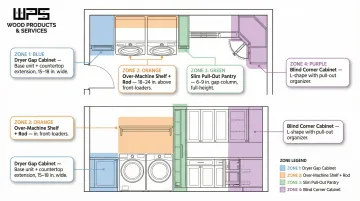
- Fill the gap between the dryer and wall with a short base cabinet (15-18 inches wide) and run countertop across it for a continuous work surface
- Mount a shallow shelf or hanging rod 18-24 inches above front-loading machines for immediate hanging space
- Fit slim pull-out pantry cabinets (6-9 inches wide) into narrow wall gaps rather than leaving 8-inch dead zones that collect clutter
- Convert awkward corners with L-shaped or blind corner cabinets fitted with pull-out organizers
In truly small laundry rooms or closets, a few targeted moves reclaim significant space:
- Stack the washer and dryer vertically to open up floor area for base cabinets alongside the appliances
- Run upper cabinets across three walls when floor space is tight — substantial storage without a single square foot of floor impact
- Mount hanging organizers, hooks, or a fold-down ironing board on the backs of cabinet doors to put dead surface area to work
Frequently Asked Questions
How much would it cost to build a laundry room?
A full laundry room renovation typically costs $6,000 to $17,000, with a national average of $11,000. Costs vary based on room size, cabinet type, countertop materials, and whether you're relocating plumbing or electrical hookups.
How much do custom laundry cabinets cost?
Custom laundry cabinets typically cost $500-$1,200 per linear foot, depending on materials, finishes, and specialized features like pull-out hampers or drying rack drawers. The investment delivers a precise fit for non-standard dimensions and unlimited design flexibility.
What cabinets are best for a laundry room?
Moisture-resistant plywood base cabinets paired with ceiling-height uppers give you the most storage. Add at least one specialty feature — a pull-out hamper, drying rack drawer, or deep bulk-storage cabinet — along with soft-close hardware and a durable finish for long-term performance.
How do I use dead space in my laundry room?
Maximize dead space by installing floor-to-ceiling cabinetry, filling corner gaps with short base cabinets connected by countertops, adding hanging rods or shelves above the washer/dryer, and using slim 6-9 inch pull-out cabinets in narrow wall sections. These strategies activate every available inch.
What are the latest trends in laundry room design?
Popular trends include two-toned cabinetry (dark lowers with light uppers), bold accent colors like navy, sage, and teal, floor-to-ceiling built-ins, and integrated hamper systems hidden behind cabinet doors. Statement pendant lighting rounds out the look.