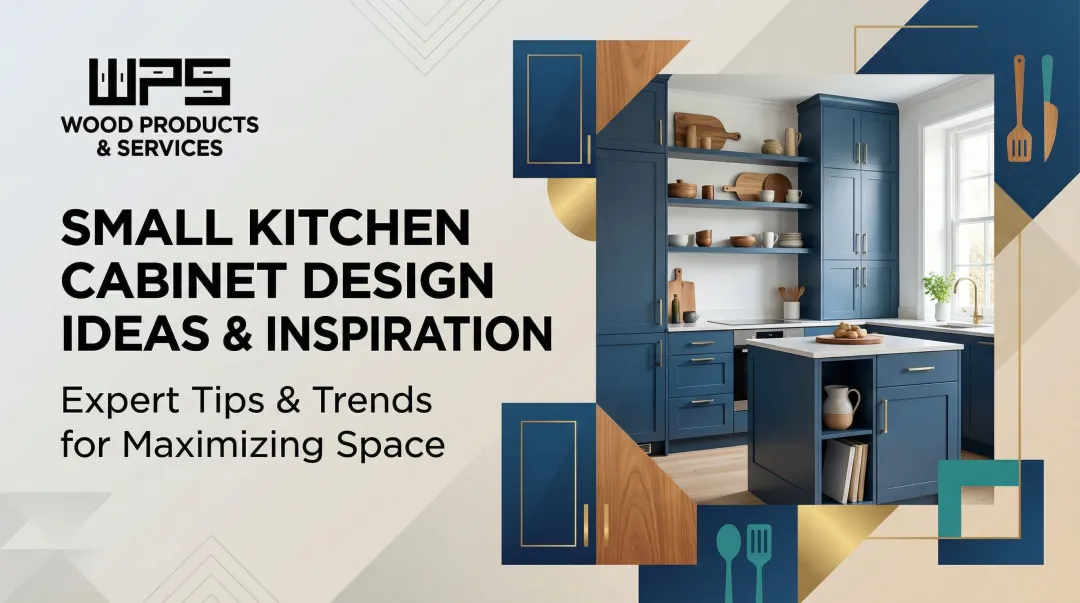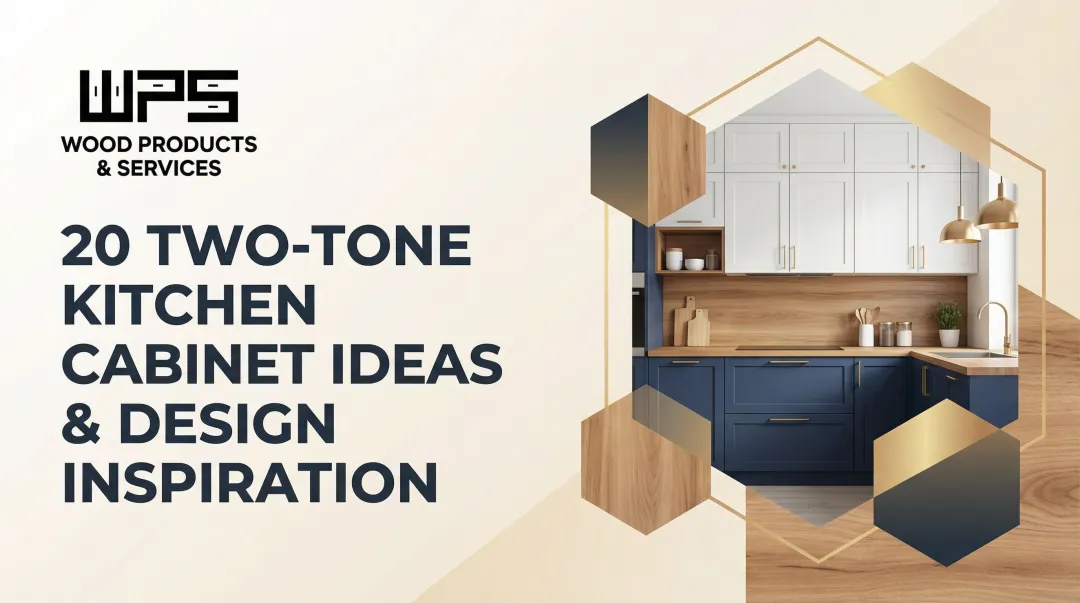
This guide walks you through everything needed to plan a successful cabinet remodel: trending design styles, creative remodeling ideas, layout considerations, 2026 color trends, and real-world cost expectations. By the end, you'll have a clear roadmap for transforming your kitchen cabinets.
TLDR: Key Takeaways
- Cabinet remodels range from quick cosmetic updates (paint, hardware) to full custom replacements—choose based on budget and condition
- Top 2026 styles: modern minimalist, farmhouse shaker, traditional raised-panel, transitional, and coastal
- Warm earthy tones, deep greens, natural wood, and two-tone combinations dominate 2026 color trends
- Your kitchen layout—galley, L-shaped, U-shaped, or island—determines cabinet placement and total storage capacity
- Custom-built cabinets maximize storage, fit precisely, and deliver superior longevity
Why Remodel Your Kitchen Cabinets?
Homeowners remodel kitchen cabinets for both functional and aesthetic reasons. Research shows that 41% of renovators cite dissatisfaction with outdated style, while 38% point to deterioration or dysfunction. Poor storage, damaged materials, and the desire to boost home value before selling also drive remodeling decisions.
Cabinet updates fall along a spectrum:
- Paint, swap hardware, or replace door fronts without touching the existing boxes — a solid option when structures are sound but finishes look tired.
- Replace cabinets entirely, often with layout changes, when boxes are damaged, storage needs have shifted, or you want custom cabinetry built to your exact specifications.
Either path tends to set off a chain reaction. Once the cabinets change, the backsplash, countertops, and lighting often follow — and the kitchen ends up feeling entirely new rather than just patched up.
Popular Kitchen Cabinet Design Styles
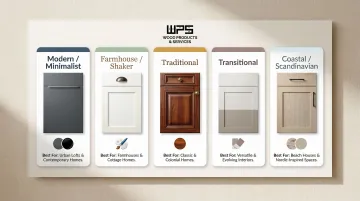
Use the quick-reference table below to compare styles at a glance, then read on for what makes each one work.
| Style | Door Type | Typical Finish | Best For |
|---|---|---|---|
| Modern/Minimalist | Flat-panel (slab) | High-gloss or matte lacquer | Contemporary homes, open-plan layouts |
| Farmhouse/Shaker | Recessed center panel | Painted white/cream, warm wood | Cozy kitchens, mixed traditional/modern |
| Traditional | Raised panel | Cherry, walnut, oak stain | Formal homes with architectural detail |
| Transitional | Mixed (flat + shaker) | Two-tone painted/stained | Homeowners bridging old and new aesthetics |
| Coastal/Scandinavian | Simple flat or shaker | White oak, birch, greige | Light-filled kitchens, relaxed interiors |
Modern/Minimalist
Modern kitchens feature flat-panel (slab) cabinet doors with clean lines and no decorative trim. Handleless designs or simple bar pulls enhance the sleek look. High-gloss or matte lacquer finishes in neutral palettes — white, gray, charcoal — create an uncluttered atmosphere ideal for contemporary homes.
Farmhouse/Shaker
Shaker-style cabinets are defined by their recessed center panel — simple enough to work in a farmhouse, refined enough to suit a modern kitchen. They pair well with open shelving, apron-front sinks, and warm wood accents. That adaptability is why shaker remains one of the most requested cabinet styles across the country.
Traditional
Traditional kitchens showcase raised-panel cabinet doors, ornate crown molding, and rich wood tones like cherry, walnut, or oak. These details create a formal, classic aesthetic. They work best in homes with existing architectural character — think coffered ceilings, wainscoting, or detailed millwork — where the cabinetry can match the room's ambition.
Transitional
Transitional style bridges modern and traditional by mixing design elements — flat-panel lowers with shaker uppers, or wood-stained bases paired with painted wall cabinets. It's a practical choice for homeowners who want a pulled-together look without locking into a single design direction. The mix-and-match approach also makes it easier to update one zone without overhauling the whole kitchen.
Coastal/Scandinavian
Light wood tones (white oak, birch), airy blue or greige finishes, and minimal hardware define coastal and Scandinavian kitchens. These styles make the most of natural light to create calming, open spaces. The understated palette keeps the focus on natural materials and simple forms.
Creative Kitchen Cabinet Remodeling Ideas
Paint or Refinish Existing Cabinets
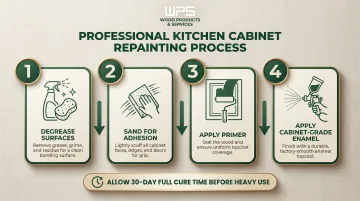
Repainting delivers the most cost-effective transformation when cabinet boxes remain structurally sound. Proper prep is essential:
- Degrease surfaces thoroughly to remove cooking residue
- Sand to create tooth for primer adhesion
- Apply high-quality primer designed for cabinets
- Use cabinet-grade enamel for durability
Spray application creates a smoother, more professional finish than brush-rolling. Premium waterborne alkyd paints dry to the touch in 4-6 hours but require up to 30 days to fully cure, so plan accordingly before returning cabinets to full service.
Swap Out Hardware
Replacing knobs, pulls, and hinges is a weekend project that changes cabinet character quickly. Key considerations:
- Match center-to-center hole spacing to avoid new drilling
- Choose a consistent metal finish (brass, matte black, brushed nickel)
- Mixing two complementary hardware styles can feel intentional rather than mismatched
A typical hardware refresh runs $50–$200 in materials — one of the cheapest updates with the most visible payoff.
Add or Replace Cabinet Doors
Cabinet refacing keeps existing boxes while installing new door fronts. Options include:
- Glass-front inserts for display
- Adding trim or beadboard panels for texture
- Converting solid uppers to open shelving for an airy effect
Refacing averages $7,230 to $8,250 and typically takes 3-5 days of on-site labor, making it a mid-range investment between painting and full replacement.
Maximize Storage with Interior Upgrades
Interior upgrades meaningfully improve daily functionality without a full remodel. Popular specialty storage features include:
- Pull-out shelves for easy access to deep cabinet interiors
- Lazy Susans for corner cabinets
- Drawer organizers and dividers
- Spice pull-outs for cluttered pantry zones
- Vertical tray dividers for baking sheets and cutting boards
These features can be retrofitted into existing cabinetry, turning cluttered spaces into organized, efficient storage.
Go Custom for a Perfect Fit
When retrofits and refacing still leave your kitchen falling short, custom cabinetry is the answer. Stock and semi-custom cabinets work from fixed dimensions — which means awkward filler strips, wasted corners, and shelves that don't quite fit your workflow.
Custom-built cabinets are built around your kitchen, not the other way around. Quality Made Cabinets, for example, constructs each piece to the room's exact measurements. Key construction differences include:
- Plywood box construction (more durable than particleboard)
- Hardwood face frames for a finished, solid feel
- Soft-close hinges and drawer slides as standard
- Finishes and wood species chosen to match your design
Quality Made Cabinets backs every project with a 12-month workmanship guarantee and a free post-installation check — so the investment is protected well after the crew leaves.
Kitchen Layout Options for Your Remodel
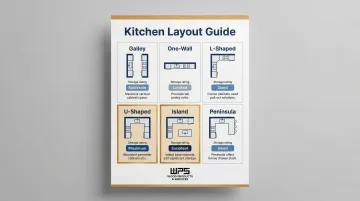
Kitchen layout determines where cabinets are positioned and how much storage you can realistically achieve. Choosing the right layout early prevents costly rework later — here's how the six main options compare:
| Layout Type | Best For | Storage Capacity | Key Cabinet Consideration |
|---|---|---|---|
| Galley | Narrow spaces, efficiency | Moderate | Tall upper cabinets maximize vertical storage |
| One-Wall | Small apartments, open plans | Limited | Every inch counts; use full-height cabinets |
| L-Shaped | Medium kitchens, open flow | Good | Corner cabinet solutions essential (lazy Susans, pull-outs) |
| U-Shaped | Larger kitchens, serious cooks | Maximum | Most cabinet space; watch clearances in center |
| Island | Large kitchens, entertaining | Excellent | Island can house deep drawers and custom pull-outs |
| Peninsula | Semi-open plans | Good | Peninsula provides bar seating plus storage |
Once you've settled on a layout, the work triangle concept — positioning sink, stove, and refrigerator for efficient movement — should guide where cabinets land. NKBA standards recommend the three traveled distances total no more than 26 feet, with no single leg under 4 feet or over 9 feet. Cabinet depth plays directly into aisle clearance: work aisles need at least 42 inches for one cook and 48 inches for two.
Cabinet Colors and Finishes Trending in 2026
Warm Neutrals and Earthy Tones
The stark white kitchen is fading. 96% of design professionals identify neutrals as the most popular cabinet colors, with a shift toward warmer off-whites, creamy greiges, taupe, and clay tones. These tones feel more inviting and forgive fingerprints far better than bright white.
Deep, Saturated Hues
Deep forest green (86% popularity among design pros) and navy blue create drama and visual grounding — especially on lower cabinets or kitchen islands. Paired with lighter uppers, these rich tones anchor the space without crowding it. They work particularly well in kitchens with natural light or open layouts.
Natural Wood and Warm Oak Finishes
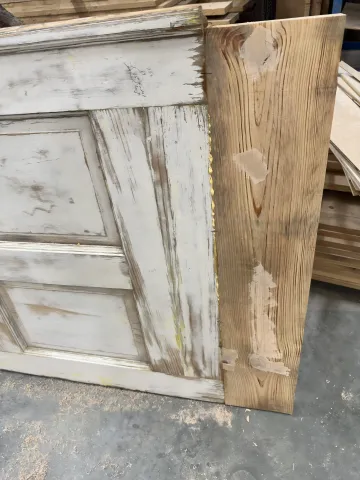
For the first time in nearly a decade, natural wood cabinets (29%) have surpassed white (28%) as the top homeowner choice. White oak leads professional specifications at 51% — its warm tone and visible grain deliver organic texture that suits a range of kitchen styles. Walnut offers a richer, darker alternative for a more luxurious feel.
Two-Tone Cabinet Combinations
Two-tone designs — painted uppers paired with colored or wood lower cabinets — add depth without overwhelming the space. The key is choosing contrasting but complementary combinations:
- Greige uppers with deep forest green lowers
- Warm white uppers with natural oak bases
- Cream uppers with navy or charcoal lower cabinets
Cost of Remodeling Kitchen Cabinets
Cabinet remodel costs vary significantly based on scope, materials, and labor:
Cosmetic Refreshes:
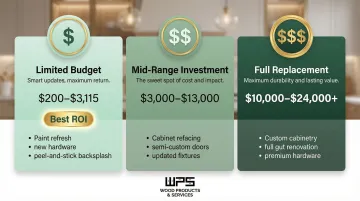
- Professional cabinet painting: $940 to $3,115
- Hardware replacement: $200 to $800
Mid-Range Updates:
- Cabinet refacing: $7,230 to $8,250
- Semi-custom replacement: $3,000 to $13,000
Full Custom Replacement:
- Custom cabinets: $10,000 to $24,000+ depending on kitchen size and specifications
Budget Allocation Priorities:
Match your budget to the right approach:
- Limited budgets: Paint plus hardware replacement offers the best return on investment for minimal spend
- Mid-range investment: Door refacing or semi-custom cabinets balance cost and visual impact
- Full replacement: Custom cabinetry delivers the most durability and longevity, especially in high-use kitchens
Planning Around a $10,000 Budget:
A $10,000 budget covers professional cabinet refacing or a high-end repaint with premium hardware in a small to mid-size kitchen. It won't stretch to full custom replacement in a larger space, where costs typically start at $10,000 and can exceed $24,000. If budget is tight, focus first on upper cabinets and the island — they're what guests see most.
Frequently Asked Questions
How much does it cost to remodel kitchen cabinets?
Cosmetic refreshes (painting, hardware) cost a few hundred to a few thousand dollars. Cabinet refacing averages $7,230 to $8,250. Full custom cabinet replacements range from $10,000 to $24,000+ depending on kitchen size, materials, and labor. Professional painting averages $940 to $3,115.
Is $10,000 enough for a kitchen remodel?
$10,000 can cover a meaningful cosmetic cabinet refresh—including professional painting, new hardware, and possibly new doors—in a small to mid-size kitchen. However, it likely won't stretch to a full structural remodel or custom cabinetry installation in a larger space.
What cabinet colors are in style for 2026?
Warm whites and earthy neutrals, deep greens (86% professional popularity) and navies (78%), natural wood tones (white oak at 51%, walnut), and two-tone combinations dominate 2026 trends. For the first time in nearly a decade, natural wood (29%) has surpassed white (28%) as the top homeowner choice.
Should I replace or reface my kitchen cabinets?
Reface when cabinet boxes are structurally sound and you want a cost-effective update that takes 3-5 days of on-site work. Replace when boxes are damaged, the layout needs to change, or you want a fully custom fit and finish with precision-tailored storage solutions.
How long does a kitchen cabinet remodel take?
Cosmetic refreshes (painting, hardware) take a weekend to a week. Cabinet refacing requires 3-5 days of on-site labor. Full custom cabinet replacement runs 8-14 weeks total — manufacturing typically takes 6-12 weeks, followed by 1-2 weeks of installation.
What type of wood is best for kitchen cabinets?
Maple (Janka hardness 1,450) offers a smooth grain ideal for painted finishes. Oak (1,350) features strong, visible grain suited to traditional stained styles. Cherry (950) delivers rich tone that darkens with age. Walnut (1,010) provides luxurious, durable character. Maple is the go-to for painted cabinetry; walnut and cherry work best when the natural grain is meant to show.