Introduction
Small kitchens are one of the most common challenges homeowners face — and cabinetry is the single biggest lever for transforming how a compact kitchen looks, feels, and functions. According to the 2025 U.S. Houzz Kitchen Trends Study, L-shaped and U-shaped layouts dominate modern renovations, with design decisions around cabinetry playing a critical role in maximizing both storage and perceived spaciousness.
Most homeowners want more storage and a kitchen that still feels open and stylish. With the right cabinet design, both goals are achievable — no structural renovation required. This guide covers:
- Layout foundations that support efficient movement
- Space-maximizing cabinet ideas for vertical and corner zones
- Color and finish strategies that expand perceived space
- Smart interior storage to keep countertops clear
- Common mistakes to avoid
TLDR:
- Choose galley, L-shaped, or U-shaped layouts with 4–6 foot work triangle legs
- Extend cabinets floor-to-ceiling to reclaim vertical space and boost storage by up to 40%
- Light colors (white, soft grey) and glass-front doors reflect light and add visual depth
- Use pull-out carousels in corner zones and interior organizers to free up counter space
- Skip ornate door profiles — flat-panel and Shaker styles keep small kitchens looking larger
Choosing the Right Layout Foundation for Your Small Kitchen
Most Efficient Small Kitchen Layouts
Four layouts dominate small kitchen design. According to 2025 Houzz data, L-shaped (37%) and U-shaped (33%) layouts lead renovations, while galley (11%) and single-wall (5%) configurations suit narrower spaces.
Which layout fits your space:
- Galley: Two parallel walls with counters and cabinets; clusters sink, stove, and refrigerator efficiently in narrow rooms (8–12 feet wide)
- L-shaped: Wraps two adjacent walls, creating an open feel that works especially well in open-plan living areas
- U-shaped: Surrounds you on three sides, maximizing counter and cabinet runs while keeping everything within a step
- Single-wall: All appliances and storage along one wall; practical for studio apartments but limits work triangle efficiency
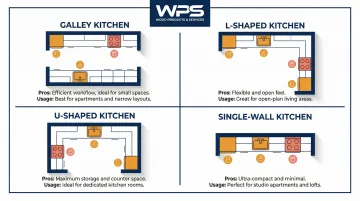
The National Association of Home Builders notes that U-shaped and L-shaped kitchens are highly efficient, whereas single-wall layouts are the least efficient.
The Kitchen Work Triangle Matters More in Compact Spaces
Once you've settled on a layout, the next step is mapping your work triangle — the path between sink, stove, and refrigerator. In small kitchens, the NKBA recommends the three traveled distances total no more than 26 feet, with each leg measuring 4 to 9 feet. Compact spaces should target the shorter end (4–6 feet) to keep movement to a minimum.
Critical clearances:
- 42 inches minimum aisle width for one cook
- 48 inches for multiple cooks working simultaneously
- Even a few inches off can disrupt workflow in compact kitchens
Layout-Specific Cabinet Planning:
- L-shaped layouts benefit from corner cabinet solutions (carousels, diagonal units) to reclaim dead space
- Galley kitchens need matching upper and lower cabinet depth on both walls to maximize storage without narrowing aisles
- U-shaped layouts should place tall pantry cabinets at one end to avoid blocking the work triangle
Custom cabinetry is worth considering when your layout includes odd angles or non-standard dimensions — situations where stock sizes consistently fall short. Quality Made Cabinets has handled these challenges for homeowners since 2010, building to exact measurements rather than working around them.
Small Kitchen Cabinet Design Ideas That Maximize Space
Extend Cabinets Floor-to-Ceiling
Standard 36-inch upper cabinets leave 12 to 18 inches of unused space near the ceiling in rooms with 8-to-10-foot heights. Extending to 42-inch ceiling-height cabinets increases shelf frontage by 40%, helping meet the NKBA's 1,400-inch minimum storage recommendation for kitchens under 150 square feet.
Benefits beyond storage:
- Draws the eye upward, creating illusion of higher ceilings
- Eliminates dust-collecting gaps above cabinets
- Provides dedicated zones for seasonal items and bulk goods
Open Shelving as Strategic Upper Alternative
Replacing some or all upper cabinets with open shelving reduces visual bulk and makes walls appear to recede. However, open shelving requires disciplined organization to avoid clutter and exposes items to dust and grease.
When open shelving works:
- Display zone for 6-10 matching dishes or glassware
- Coffee/tea station with curated mugs and canisters
- One wall only (keep other walls closed for hidden storage)
Glass-Front Doors Create Visual Depth
Chosen by 36% of renovators for accent cabinets, glass-front doors offer a middle path. Replacing solid fronts with glass adds 12 to 15 inches of perceived depth by allowing the eye to travel through to the back wall.
Glass options:
- Clear glass: Best when dishes are neatly arranged and uniform
- Frosted or textured glass: Blurs chaotic outlines of mismatched items while maintaining airy feel
- Fluted or reeded glass: Adds architectural interest without full transparency
Quality Made Cabinets can build glass-front cabinet doors as part of custom orders; contact (484) 719-8209 to discuss available glass types and configurations.
Reclaim Corner Dead Zones
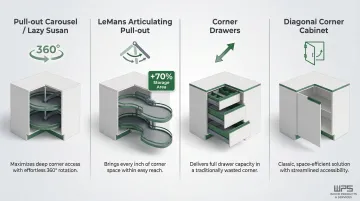
Corners waste more space than any other kitchen zone. The NKBA recommends at least one corner cabinet include a functional storage device.
Solutions that work:
- Pull-out carousel units (lazy Susans): High-capacity turntables for pots, small appliances, or dry goods
- LeMans articulating pull-outs: Increase actual storage area by up to 70% compared to blind corners, with 55 lb. load rating per shelf
- Corner drawers: Diagonal drawers that pull fully out for complete visibility
- Diagonal corner cabinets: Angled doors that eliminate blind reach-in zones
Choose Clean Door Styles
Door style matters. Flat-panel (slab) doors keep lines clean and draw the eye upward, making spaces feel bigger. Simple Shaker-style doors with minimal frame detail work well, but heavy raised-panel doors add visual bulk that makes tight kitchens feel cramped.
Style guidelines for small kitchens:
- Flat-panel: Ideal for modern, minimalist, or galley layouts
- Shaker: Timeless option that adds subtle character without overwhelming
- Avoid: Ornate raised panels, heavy trim details, excessive decorative elements
Quality Made Cabinets fabricates both flat-panel and Shaker-style doors in custom configurations for small spaces.
Integrate Slim Design Features
These built-in features eliminate wasted inches and keep counters clear:
- Toe-kick drawers: Utilize 4-inch base space for flat items (cookie sheets, cutting boards)
- Built-in microwave cabinets: Elevate microwave off counter at comfortable height
- Integrated appliance panels: Cover refrigerator and dishwasher fronts to create a unified, flush cabinet wall
- Narrow pull-outs: Use 6-inch unused gaps between appliances for spice racks or oil/vinegar storage
Cabinet Colors and Finishes That Make Small Kitchens Look Bigger
Light Colors Reflect Light and Expand Space
Lighter colors reflect more light, making kitchens feel larger and more open. White remains the top choice for upgraded kitchen cabinets (33%), followed by wood tones (23%) and off-white (14%).
High-performing light neutrals:
- Whites and off-whites: Maximum light reflection and timeless appeal
- Soft greys: Add sophistication without sacrificing spaciousness
- Warm creams and light taupes: Create cozy, inviting backdrop trending for 2025
Colors with high Light Reflectance Value (LRV) maximize perceived spaciousness. For example, Sherwin-Williams White Snow (LRV 90) is favored by design professionals for light, expansive results.
Tone-on-Tone Approach Eliminates Visual Breaks
Painting upper cabinets the same color as adjacent walls creates a continuous, expansive look. Low-contrast combinations (such as LRV 73 walls with LRV 84 cabinets) avoid heavy visual breaks that chop the room into smaller zones.
How to execute tone-on-tone:
- Select wall paint and cabinet color within 10-15 LRV points of each other
- Use slightly lighter shade on cabinets than walls
- Keep hardware minimal and metallic for subtle contrast
Ground the Space With Two-Tone Contrast
Small kitchens don't have to be all-white. Nearly 25% of homeowners choose different colors for upper and lower cabinets. White is top for uppers (52%); wood tones are top for lowers (28%), followed by blue (20%).
Two-tone strategies:
- Light uppers (white, off-white, soft grey) with muted darker lowers (navy, charcoal, natural wood)
- Kitchen island in deeper accent color while perimeter cabinets stay light
- Wood-tone lower cabinets that add warmth without overwhelming
Popular Cabinet Colors for 2025
Current trends favor warmth and nature-inspired hues:
Top trending colors:
- Green leads as the most popular statement color for the second year running (76% of NKBA respondents) — sage shades like Sherwin-Williams Quietude work especially well
- Creams and light taupes are replacing stark whites as the go-to warm neutral
- Navy and deep blue anchor lower cabinets when paired with white uppers
- Honey oak, walnut, and limewash finishes bring organic warmth without paint
The finish sheen you choose affects how well any of these colors actually perform in the space.
Finish Sheen Affects Light Reflection
The sheen of your cabinet finish impacts both how light bounces and how easily cabinets clean.
| Sheen Type | Light Reflection | Maintenance | Best For |
|---|---|---|---|
| Matte/Flat | Low (absorbs light) | Harder to clean; stains easily | Low-use cabinets, modern minimalist styles |
| Satin/Eggshell | Medium (soft shine) | Easy to clean; balanced durability | Most kitchens; everyday use |
| Semi-Gloss | High (reflects light) | Very easy to clean; resists moisture | High-traffic kitchens; lower cabinets |
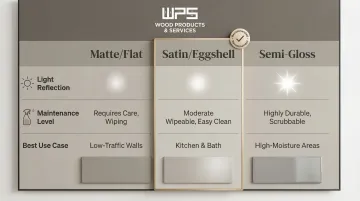
Satin offers the best balance of durability and light reflection without highlighting surface imperfections like semi-gloss does.
Hardware Choices Matter
Sleek, simple hardware reduces visual clutter:
- Integrated J-pulls or Gola profile channels create continuous horizontal lines that make compact kitchens feel more open
- Push-to-open mechanisms remove protruding hardware — useful in tight aisles where pulls snag and crowd the space
- Small bar pulls or knobs in brushed nickel, matte black, or brass keep contrast subtle
- Avoid ornate decorative pulls, oversized handles, or mixing multiple finish types
If you're working through finish and hardware decisions for a custom build, Quality Made Cabinets can help — they offer custom color matching, painted and natural finishes, and durable 2K coating. Call (484) 719-8209 to talk through your options.
Smart Storage Solutions: Making Every Inch of Your Cabinets Count
Small kitchens don't lack storage so much as they lack organized storage. The right interior tools and a clear zoning strategy can double your usable cabinet space without touching a single wall.
Interior Organizers Maximize Usable Space
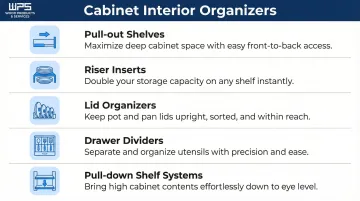
According to a 2024 Houzz Kitchen Trends Study, pull-out waste and recycling bins (67%), cookie sheet organizers (59%), and spice organizers (43%) top homeowner wish lists — all of them low-cost upgrades with outsized impact.
Must-have interior tools:
- Pull-out shelves bring items from the back of deep cabinets into reach
- Riser inserts double vertical space for plates and bowls
- Lid organizers use vertical slots to tame pot and pan lids
- Drawer dividers separate utensils, cutlery, and small tools cleanly
- Pull-down shelf systems make high cabinets accessible without a step stool
Assign Every Cabinet a Dedicated Zone
Designate each cabinet for one specific function. Mixed-use cabinets — where baking supplies share space with dinnerware and canned goods — are the main reason small kitchens feel chaotic even after you've just organized them.
Practical zones to assign:
- Baking zone: Flour, sugar, mixing bowls, and measuring cups in one dedicated spot
- Everyday dinnerware: Plates, bowls, and daily glasses together for fast access
- Coffee/tea station: Mugs, filters, tea bags, and sweeteners grouped near the coffee maker
- Cooking zone: Oils, spices, and frequently used pots positioned close to the stove
Once each cabinet has a single job, you stop digging through three layers to find one item.
Add Wall-Mounted and Under-Cabinet Storage
Once your cabinets are organized by zone, wall-mounted and under-cabinet additions pick up the overflow — without eating into counter space.
- Magnetic knife strips mount cleanly on a backsplash or cabinet side panel
- Under-cabinet hooks handle mugs, measuring spoons, and small utensils
- Small rails along the wall keep spice jars and kitchen towels within reach
- Pegboard panels installed on cabinet backs offer flexible, rearrangeable hook storage
Practice Countertop Discipline With Appliance Garages
Countertop clutter shrinks a small kitchen faster than almost any other factor. The NKBA recommends 158 inches of countertop frontage as a planning benchmark — in a small kitchen, protecting that clear space is non-negotiable.
An appliance garage (a cabinet section with a roll-up or hinged door positioned at counter height) keeps toasters, coffee makers, and stand mixers plugged in and accessible without sitting out permanently. When the door closes, the counter reads as clear and open.
If a full appliance garage isn't feasible, a deep lower cabinet with a pull-out shelf near an outlet achieves the same result at lower cost.